Blue Whales in California: Meet the Ocean Giants of the Central Coast
When you head out on a trip with Morro Bay Whale Watching, you never know exactly what sea life you’ll encounter. Humpbacks are a staple much of the year, and in the winter months, it’s common to see gray whales on most trips. Plus, sea lions, dolphins, and many other ocean creatures make regular appearances. However, one of the most remarkable creatures we encounter from time to time here on the Central Coast is the blue whale, the largest animal to ever exist on Earth.
For most guests, a blue whale sighting is a once-in-a-lifetime experience - and over the past few years, we’ve had quite a few of these incredible moments on our whale watching trips. We want to share with you more about these ocean giants, and what makes these sightings so special!
Meet The Blue Whale
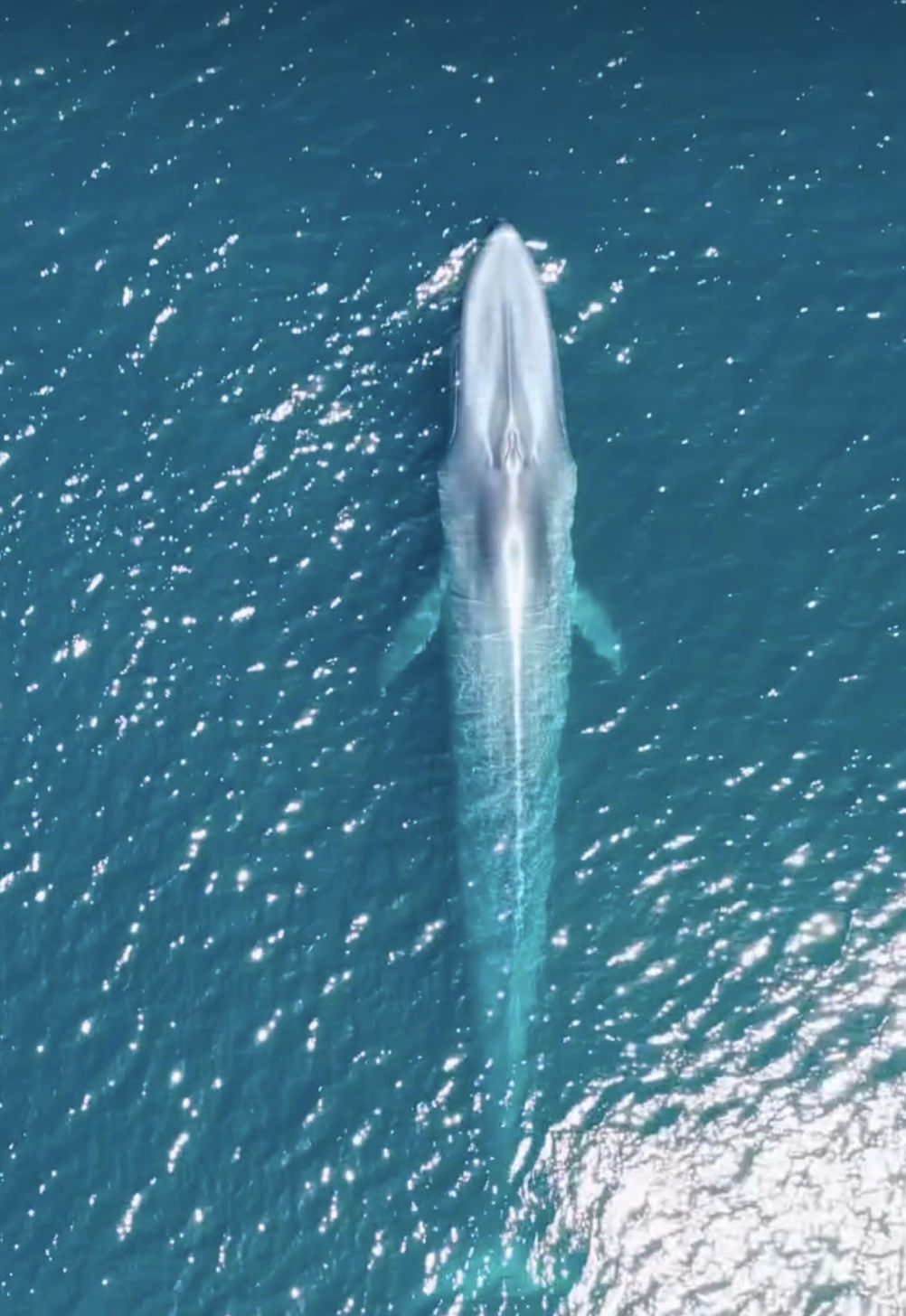
Blue Whale from Above | Still from Video by Dakota Osborne
The Blue Whale’s Impressive Size
Blue whales are not only the largest animals to currently exist - they're also the largest animal ever recorded to have lived on Earth. They can grow over 100 feet in length and weigh over 200 tons.
Here's some size comparisons to get a better feel for how truly massive these creatures are:
They're about as long as a Boeing 737
Their tongues weigh as much as an adult elephant
Their hearts weigh as much as a small car
Even at birth, blue whales are big - new calves measure about 23 feet long and 5,000-6,000 pounds.
How Blue Whales Feed & Migration Patterns
Blue whales are baleen whales, which means they feed on krill and small fish by filtering ocean water through large baleen plates in their mouths. They consume between 4-16 tons of food daily during feeding season.
Blue whales migrate seasonally in search of food. The North Pacific blue whales that are seen off the coast of Morro Bay spend winters in the warmer waters near Mexico and Central America (where they usually give birth), and summers feeding off the west coast of the US, sometimes as far north as Alaska.
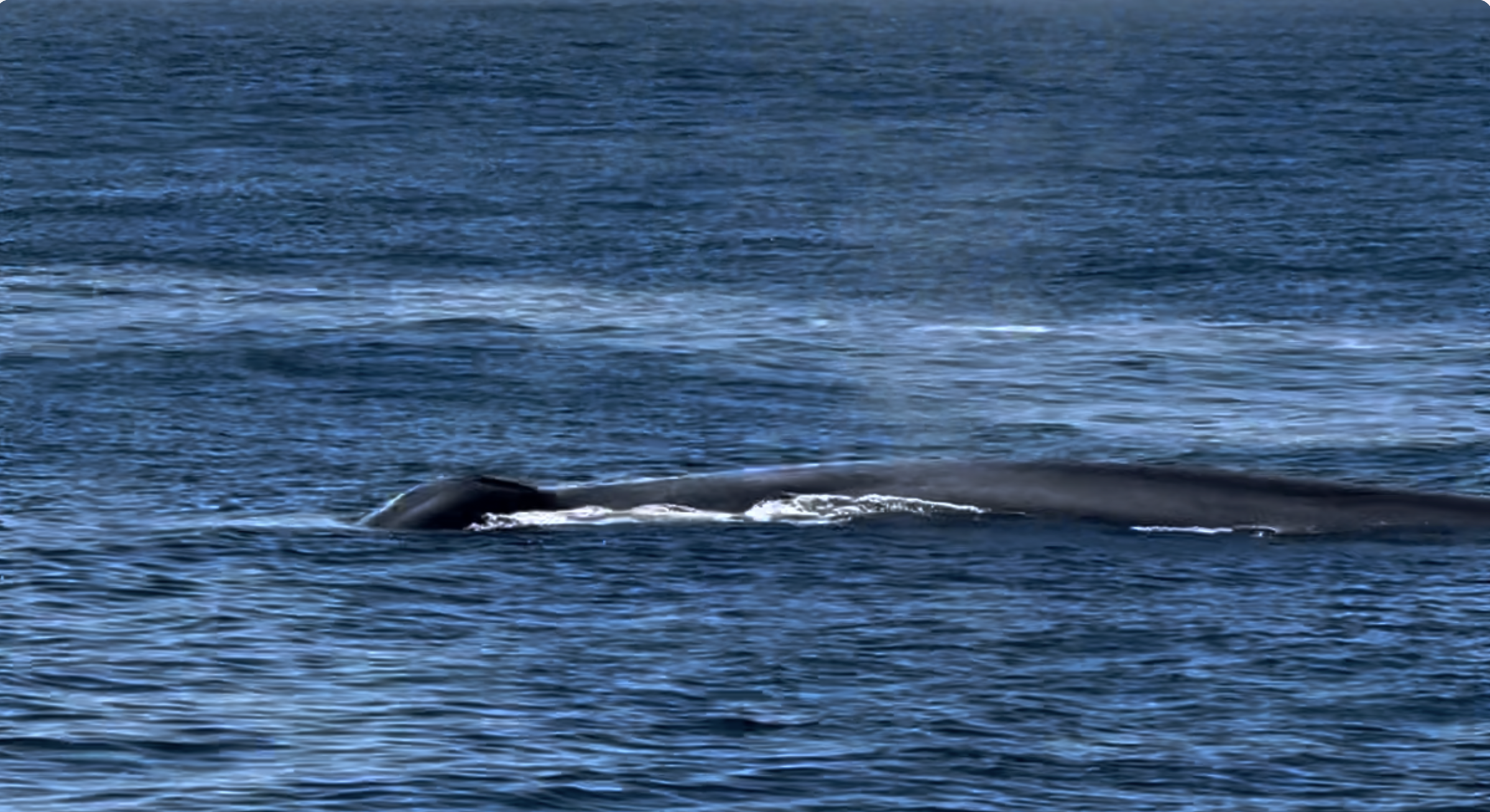
Blue Whale | Photo by Amy McKellar
Seeing Blue Whale In Morro Bay
Blue whale sightings are fairly rare on our trips because these whales tend to stay far from shore and travel alone or in small groups. When blue whales migrate outside of Morro Bay, they typically remain further out than our daily whale watching trips take us. Because of that, there is an increased likelihood of blue whale sightings on our Pelagic Excursions, which take guests beyond the continental shelf.
But while rare, we do occasionally see blue whales on our normal whale watching trips, and it’s always a treat! For your own chance to see blue whales and other incredible ocean wildlife, join us on a trip soon! And if staying in the calmer waters of the bay to see otters and harbor seals is more your style, consider taking a Sub Sea Tour or renting a kayak or paddleboard with us.